


Every few months, an actor announces a novel and the same little argument starts up. Did they really write it? Did the publisher just buy a famous name? Couldn’t that book deal have gone to somebody who actually needs one?
Fair questions, sometimes. But the more interesting question is why so many performers want to write fiction in the first place. Acting is a peculiar apprenticeship for a novelist. You spend years figuring out what people want, what they’re hiding, and why the line they say aloud is rarely the whole story. Then one day you get to write the lines yourself.
Hollywood makes excellent material
Carrie Fisher understood this better than most. Her 1987 novel Postcards from the Edge follows an actress trying to find her footing after rehab. Fisher knew the territory, but she also knew what to do with it: the result is sharp, funny fiction rather than a celebrity confession with the names changed. The book won a PEN award for a first novel. When Mike Nichols adapted it in 1990, with Meryl Streep and Shirley MacLaine, Fisher wrote the screenplay. She wasn’t about to hand those lines to someone else.
Ethan Hawke took a longer route. His first novel, The Hottest State, appeared in 1996, and he later directed the film adaptation. But A Bright Ray of Darkness (2021) is the one that gets closest to the nerves of the job: a young actor, a collapsing marriage, and a production of Henry IV that doesn’t stop just because his private life is falling apart. One reviewer called it a valentine to the theater. It’s also unusually alert to the absurdity of trying to have a personal crisis on a schedule.
Tom Hanks went straight for the machinery. His 2023 novel, The Making of Another Major Motion Picture Masterpiece, follows a superhero film from its distant beginnings to an actual movie set, where a surprising amount of creative energy goes into waiting around. Hanks has spent decades in that world. He knows that the glamorous part is often the least interesting thing happening there.
And sometimes they write about somewhere else entirely
Steve Martin’s Shopgirl (2000) lives in Los Angeles, but An Object of Beauty (2010) heads into New York’s art market. That wasn’t a random change of scenery. Martin has been a serious art collector for decades, and the book is interested in the way people perform sophistication, ambition, and good taste. Different workplace, familiar human behavior.
Jim Carrey went in almost the opposite direction. In Memoirs and Misinformation (2020), written with Dana Vachon, a fictional Jim Carrey wanders through a Hollywood coming spectacularly apart at the seams. It’s a strange book, and not always a comfortable one. That seems more interesting than another dutiful memoir about becoming famous.
None of this means that being good on camera makes someone a good novelist. Reading dialogue is not the same as inventing it, and watching a director solve a scene is not the same as building a whole book. But performers who make the leap have spent a lot of time studying the gap between what people show and what they feel. That’s useful material if they know how to handle it.
About that ghostwriter question
There’s a difference between hiding somebody else’s work and openly writing with another person. Publishing has room for collaboration; the interesting question is what each collaborator actually brings.
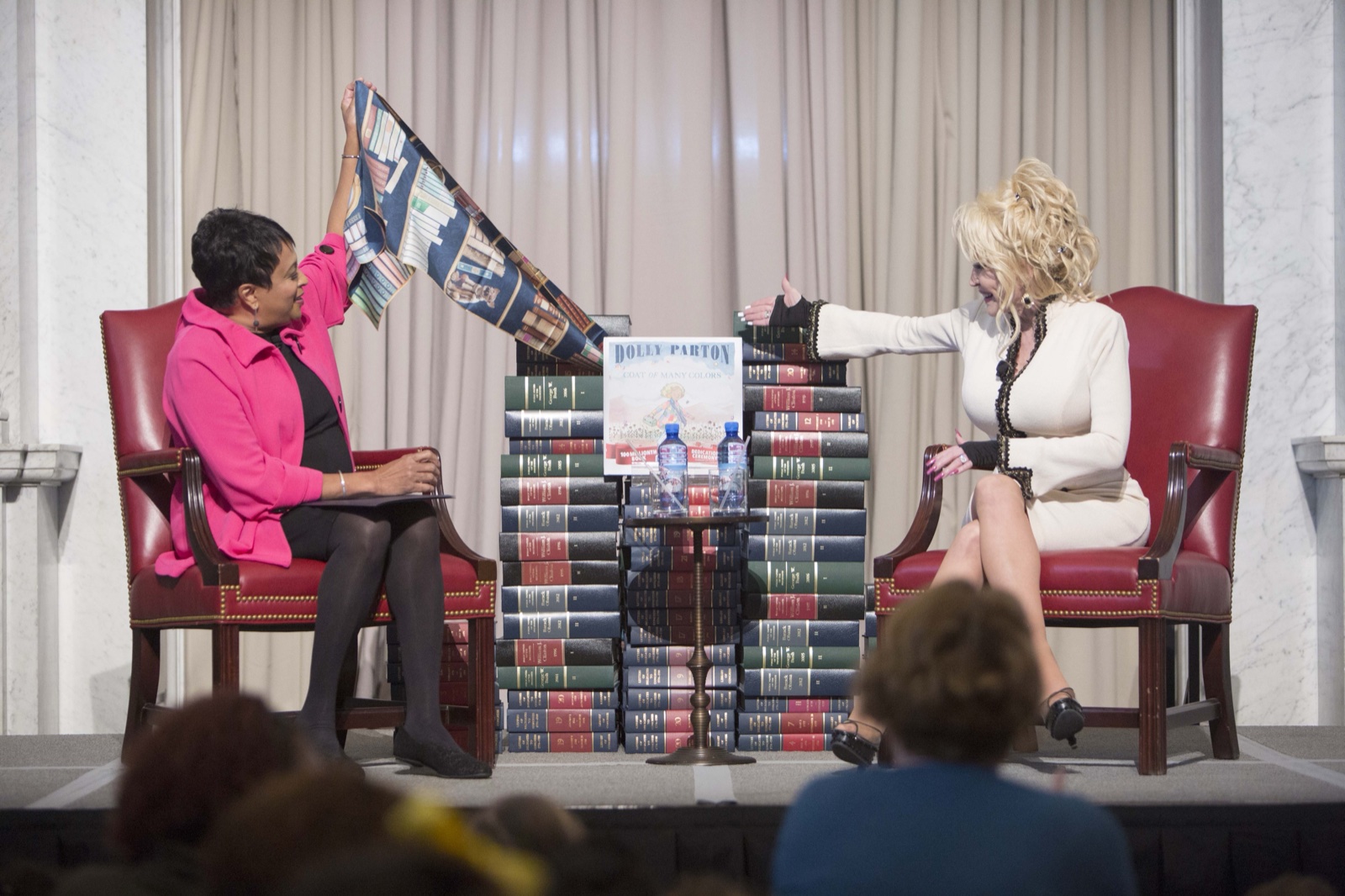
Dolly Parton, who has done her share of acting alongside everything else, teamed up with James Patterson on Run, Rose, Run in 2022. It’s a thriller about a young singer in Nashville, released alongside an album of songs Parton wrote for the story. You can see why they chose that subject. Patterson knows how to keep a thriller moving; Parton knows what it costs to be a young woman trying to make it in music. The collaboration was public from the start.

The younger generation has its own version. Angourie Rice, known to Marvel audiences as Betty Brant, co-wrote the Austen-inspired Stuck Up & Stupid with her mother, playwright Kate Rice. It’s about a girl who encounters Hollywood celebrity up close, a subject the younger Rice has some reason to understand. The book became a Reese’s Book Club summer 2025 YA pick. There’s a pleasing bit of symmetry in Rice’s journey from screen roles to writing her own Austen-inspired story: the former teenage bookworm now has a novel in other people’s beach bags.
And the career switch is happening earlier than ever. Raegan Revord, who played Missy on Young Sheldon, was 17 when Rules for Fake Girlfriends came out in September 2025. It’s a young-adult romance about studying abroad and an arrangement that turns into something more. Not a farewell to acting. Just another thing to make.
The story doesn’t always change when the medium does
Vivian Schilling offers a particularly good example of what can carry over. She wrote and starred in the 1990 supernatural film Soultaker, then turned to novels with Sacred Prey (1994) and Quietus (2002). The forms changed, but the fascination didn’t. Sacred Prey asks what happens when a man is forced to experience the life of someone he has harmed; Quietus follows survivors of a plane crash into much stranger questions about death and memory. The eerie moral territory is there from the beginning.
There is, of course, one big difference. A film shoot comes with a crew, a call sheet and someone who eventually says the scene is finished. A novel comes with none of that. Perhaps the surprising thing isn’t that actors try writing books. It’s that some of them like the empty room enough to finish.